
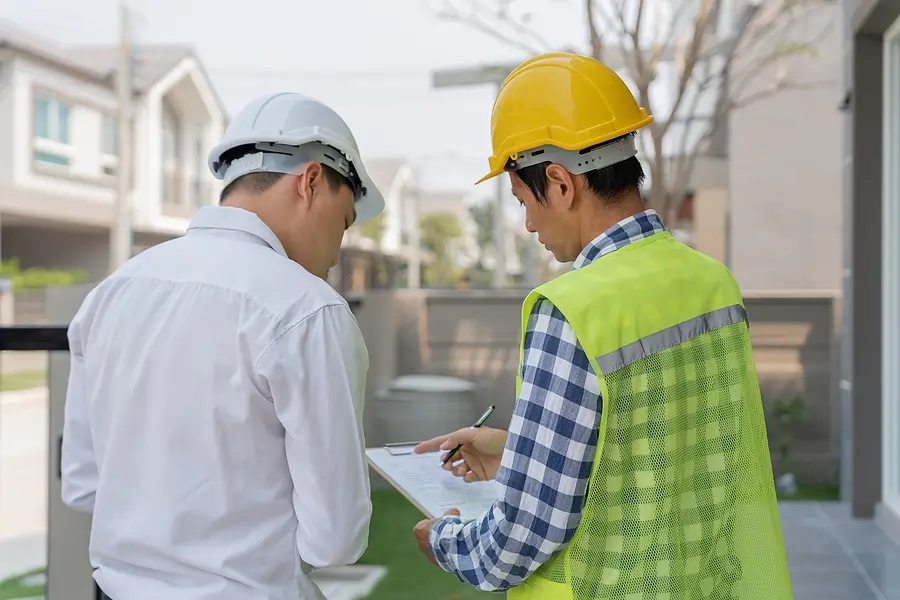
Owning rental property in Salt Lake or South Ogden comes with ongoing responsibilities that go beyond collecting rent. One of the most important but often overlooked tasks is conducting consistent property inspections. These inspections protect your investment, ensure lease compliance, and help prevent small issues from becoming expensive repairs.
As rental markets across Northern Utah continue to grow, tenants expect well-maintained homes and clear communication. At the same time, property owners need structured systems to monitor property conditions without disturbing tenants. Understanding what to expect from rental property inspections allows you to approach them with confidence and purpose.
Key Takeaways
Rental property inspections help prevent costly repairs by identifying issues early, allowing landlords to address small maintenance concerns before they turn into major expenses.
Structured inspection schedules protect lease compliance and tenant accountability by reinforcing expectations and documenting property conditions throughout the tenancy.
Detailed documentation supports financial tracking and legal protection by creating a clear record of property condition, repairs, and potential lease violations.
Professional oversight ensures inspections are conducted consistently and respectfully while maintaining compliance with notice requirements and local regulations.
Why Rental Property Inspections Matter
Rental property inspections serve several important functions. They help identify maintenance concerns early, verify lease compliance, and document the condition of the home throughout the tenancy. Without inspections, minor problems such as leaks, unauthorized pets, or neglected yard care can escalate quickly.
Consistent oversight also reinforces accountability. When tenants know that inspections are part of the rental process, they are more likely to follow the lease terms and report maintenance concerns promptly. This proactive approach protects both the property and the landlord-tenant relationship.
Types of Rental Property Inspections Owners Should Expect
Several types of inspections typically occur during a lease cycle. Each serves a different purpose and supports long-term asset protection.
Move In Inspections
A move-in inspection documents the property’s condition before the tenant takes possession. Detailed notes and photos establish a baseline for comparison at move-out. This reduces disputes over security deposits and clarifies responsibilities from the beginning. Clear documentation protects both parties and sets expectations for how the property should be maintained.
Periodic Inspections
Periodic inspections occur during the lease term, often once or twice per year. These visits focus on identifying maintenance concerns, safety hazards, or lease violations.
Routine evaluations similar to structured property inspections help catch issues like water damage, HVAC problems, or unauthorized alterations before they become costly repairs. Regular oversight supports long-term property preservation and reduces emergency maintenance calls.
Move Out Inspections
A move-out inspection compares the current condition to the move-in documentation. This process determines whether any damage exceeds normal wear and tear and identifies necessary repairs before the next tenant moves in. Thorough move-out inspections help minimize turnover delays and protect rental income.
What Happens During a Periodic Inspection
During a periodic inspection, several areas of the property are evaluated.
These typically include:
Interior walls, flooring, and ceilings for damage
Plumbing fixtures for leaks or water pressure issues
HVAC systems and filters
Smoke and carbon monoxide detectors
Exterior areas, including landscaping and drainage
Inspectors also check for unauthorized occupants, pets, or alterations that violate the lease agreement. The goal is not to interrupt but to ensure the home remains safe, functional, and compliant with lease terms. Clear communication and proper notice are always provided to tenants before inspections occur.
How Inspections Protect Your Financial Performance
Small maintenance issues can quickly turn into expensive repairs if left unattended. A minor plumbing leak can cause structural damage. Poor ventilation can lead to mold growth. Damaged flooring can worsen over time.
Proactive property maintenance services help address concerns identified during inspections before they develop. Coordinated repair scheduling reduces long-term costs and preserves property value.
The Role of Documentation and Reporting
Inspection documentation is essential for legal protection and financial tracking. Detailed reports with photos provide clear evidence of property condition at specific points in time.
This documentation supports lease enforcement, security deposit decisions, and potential legal disputes. It also contributes to organized rental accounting systems by accurately tracking repair expenses and maintenance history.
Proper records give property owners confidence that their investment is being monitored consistently and professionally.
Balancing Tenant Privacy and Property Oversight
Some landlords hesitate to conduct inspections because they worry about tenant privacy concerns. However, inspections are a standard and legal basis of property management when handled correctly.
Providing proper notice and maintaining a respectful, professional tone ensures inspections feel routine rather than curious. Most tenants appreciate a landlord who proactively maintains the property and addresses issues quickly.
Clear communication about inspection schedules within the lease agreement reduces misunderstandings and reinforces transparency.
Common Inspection Challenges in Salt Lake
Salt Lake properties face unique environmental factors, including seasonal temperature swings, snow, and a dry climate. These elements can impact roofing, plumbing, landscaping, and HVAC systems.
Regular inspections help identify weather-related wear before it results in structural damage. Monitoring exterior drainage, insulation, and heating systems is particularly important during seasonal transitions.
FAQs
How often should rental property inspections occur?
Most properties benefit from one to two periodic inspections per year, depending on lease terms and property conditions.
Can tenants refuse an inspection?
Tenants generally cannot refuse inspections when proper notice is provided according to lease terms and local regulations.
What is considered normal wear and tear?
Normal wear and tear includes minor scrapes, small nail holes, and seasoning, while significant damage or neglect may result in repair charges.
Do inspections help reduce liability?
Yes, inspections identify safety hazards such as faulty smoke detectors or leaks that could lead to legal or insurance issues.
Should landlords conduct inspections themselves?
While some landlords perform inspections independently, professional management ensures consistent documentation and compliance.
Protect Your Rental Property With Envy Property Management
Rental property inspections are a critical part of protecting your investment in South Ogden and throughout Salt Lake. Without a structured system in place, small issues can turn into expensive problems that affect both income and property value.
At Envy Property Management, we coordinate thorough inspections, detailed documentation, and proactive maintenance to keep your rental performing at its best. Our team ensures inspections align with lease terms, local regulations, and long-term financial goals.
If you want reliable oversight that protects your property and simplifies ownership, connect with us and see how professional management can strengthen your rental investment.